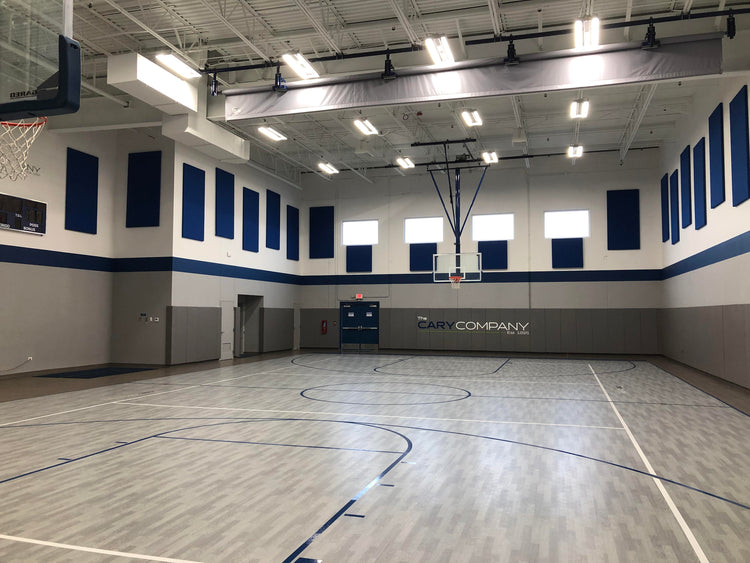
Restaurant Acoustic Starter Kit
12 wall panels + 6 ceiling tiles (72 sq ft) - a ready-made starting point for dining room and bar noise control without compromising your aesthetic.
Acoustic Panels for Restaurants & Bars: Reduce Noise, Improve Guest Experience

Why Restaurants Need Acoustic Treatment
Ever been to a restaurant where you couldn't hear the person across the table? Where the noise just kept building until everyone was shouting? That's not a "busy restaurant" - that's an acoustic problem with a straightforward fix.
Hard surfaces - tile floors, plaster walls, exposed ceilings - reflect sound instead of absorbing it. Each reflection adds to the overall noise level. As it gets louder, people talk louder. The Lombard Effect creates a feedback loop that turns a 70 dB room into an 85+ dB nightmare.
Acoustic panels break that cycle by absorbing reflected sound energy, bringing the overall noise floor down so conversations happen naturally.
The Business Case: Why This Matters for Revenue
- Noise is the #2 complaint in restaurant reviews (after service), according to Zagat surveys
- 72% of diners say noise level affects whether they return
- Table turnover increases when guests can order and converse comfortably
- Staff efficiency improves - fewer order mistakes when servers can hear clearly
- Higher tips - studies show pleasant acoustics correlate with higher gratuity
How Many Panels Does a Restaurant Need?
The rule of thumb: 1 panel per 50 square feet of floor space for a noticeable improvement. Here's what that looks like:
| Restaurant Size | Panels Needed | Estimated Investment |
|---|---|---|
| Small café (500-800 sq ft) | 10-16 | $500-$1,200 |
| Mid-size restaurant (1,000-2,000 sq ft) | 20-40 | $1,500-$3,500 |
| Large dining hall (2,000-4,000 sq ft) | 40-80 | $3,000-$7,000 |
| Banquet/event space (4,000+ sq ft) | 80+ | Custom quote |
Where to Place Panels in a Restaurant
Priority 1: Ceiling Treatment
The ceiling is almost always the largest unbroken hard surface in a restaurant. Distributed ceiling panels or clouds across the dining area give the most improvement per dollar spent. Ceiling clouds also create visual interest - they're a design feature, not just functional.
Priority 2: Walls Near High-Noise Zones
The bar area, kitchen pass, and host stand are the loudest spots. Panels on walls near these zones contain noise before it spreads to dining areas.
Priority 3: Between Dining Zones
If you have distinct seating areas (booths, main floor, patio transition), panels between zones reduce sound bleeding from one group to another, creating more intimate dining experiences.
Priority 4: Long Parallel Walls
Sound bounces between parallel walls like a ping-pong ball. If your dining room has two long parallel walls, treat at least one of them to stop flutter echo.
Custom Art Panels: Décor That Works
This is where restaurants have a unique advantage. Custom printed acoustic panels double as wall art. Print your brand imagery, photography, abstract art, or seasonal designs directly onto our 2" NRC 1.0-rated panels. Guests see beautiful décor - they don't realize they're looking at acoustic treatment.
Popular options for restaurants:
- Brand photography and logo art
- Local artist collaborations
- Seasonal/rotating artwork
- Abstract designs that match your color scheme
- Vintage photography or murals
What Results to Expect
- 5-10 dB reduction in overall noise level (perceived as roughly "half as loud")
- Improved speech intelligibility - RT60 (reverb time) drops from 1.5-2.0 seconds to 0.6-0.8 seconds
- Noticeable from day one - staff and regulars will comment immediately
- Better online reviews - "great atmosphere" mentions increase
NRC Ratings: What to Look For
NRC (Noise Reduction Coefficient) measures how much sound a material absorbs. Scale is 0 to 1.0:
- Bare drywall: NRC 0.05 (absorbs almost nothing)
- Cheap foam tiles: NRC 0.25-0.40 (high frequencies only)
- Our 2" panels: NRC 1.0 (absorbs the large majority of sound energy across the mid and high bands)
Installation Options
We offer panels with multiple mounting options suitable for commercial environments:
- Z-clips: Secure, professional, allows easy removal for cleaning behind panels
- Ceiling clouds: Suspended panels that make a visual statement while treating the most important surface
- French cleats: Heavy-duty option for large-format panels
Get a Free Restaurant Acoustic Assessment
Every restaurant is different. Tell us about your space - dimensions, ceiling height, surface materials, seating capacity - and we'll provide a custom recommendation with panel count, placement guide, and quote. No obligation, no sales pressure.
Frequently Asked Questions
Restaurant noise above 75 dB impairs conversation and increases stress for diners. Without acoustic treatment, hard surfaces (glass, concrete, tile) create a noise feedback loop - more noise causes louder talking which creates more noise. 2" NRC 1.0 acoustic panels break this cycle by absorbing reflections and reducing overall SPL by 8–15 dB.
No - properly placed panels reduce harshness while preserving a lively atmosphere. The goal isn't silence; it's conversation-level comfort. With 150+ fabric color options across six fabric lines and custom print capabilities, panels integrate cleanly with any design aesthetic from industrial to upscale fine dining.
A typical 1,500 sq ft restaurant dining room needs 20–35 panels to achieve meaningful noise reduction. Coverage of 15–20% of wall and ceiling area is a practical starting point. Start with ceiling panels (cloud panels above high-density seating) for maximum impact with minimum visual footprint.
Yes. Our restaurant panels use Burch Fabrics Prime Time and Anchorage fabric, which can be surface-cleaned with food-safe cleaners. Panels should not be submerged or steam-cleaned. In high-grease kitchen-adjacent areas, enclosed fabric panels are not recommended - contact us for appropriate alternatives.
Yes. Panels faced in Burch Fabrics Prime Time or Guilford of Maine FR701, Anchorage or Whisper are Class A fire-rated under ASTM E84 on each mill's published data, meeting IBC requirements for restaurant and bar occupancies. Microsuede and burlap are not fire rated. We provide fire rating documentation for your health department and fire marshal inspections.
A typical restaurant installation (20–35 panels) takes about a day for two people using Z-clip hardware. It's simple enough to mount yourselves before opening, between services, or whenever fits your schedule.
Recommended Products
Reduce noise so guests can enjoy conversation and come back. Made in the USA. Shipping calculated at checkout.