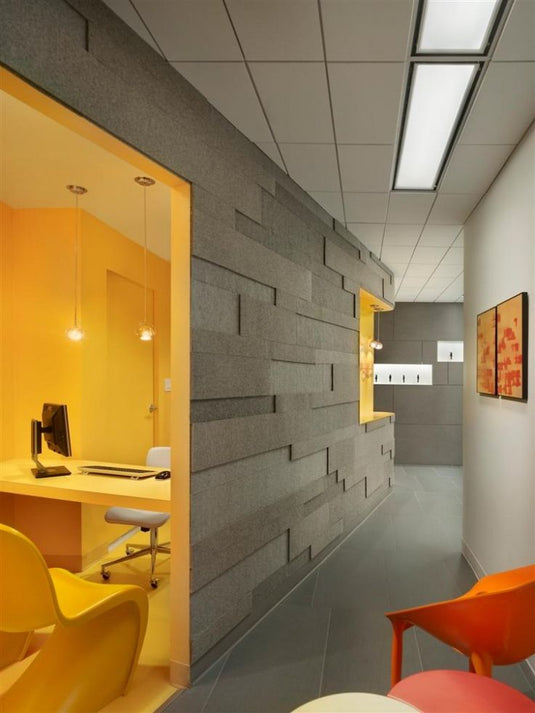
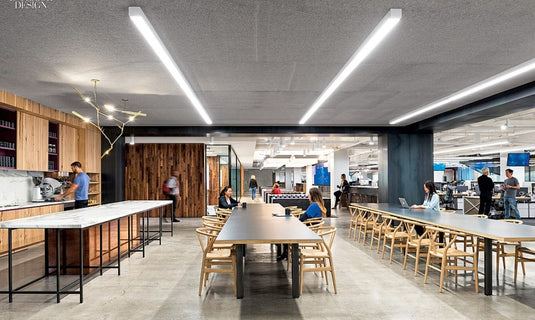
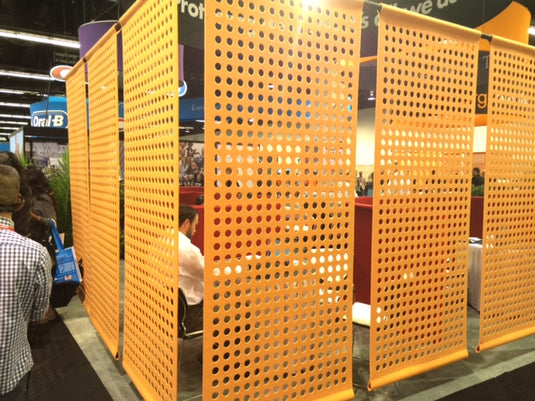
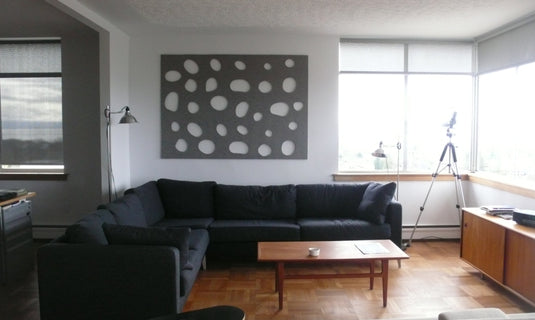
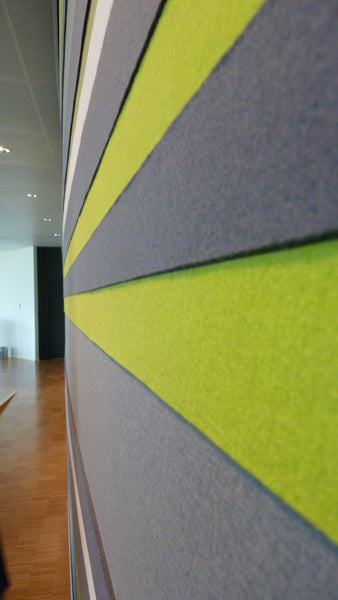
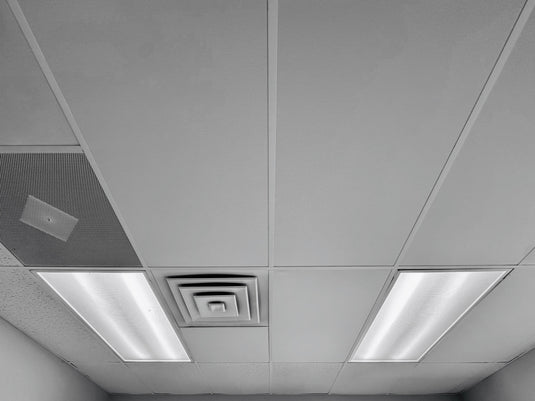
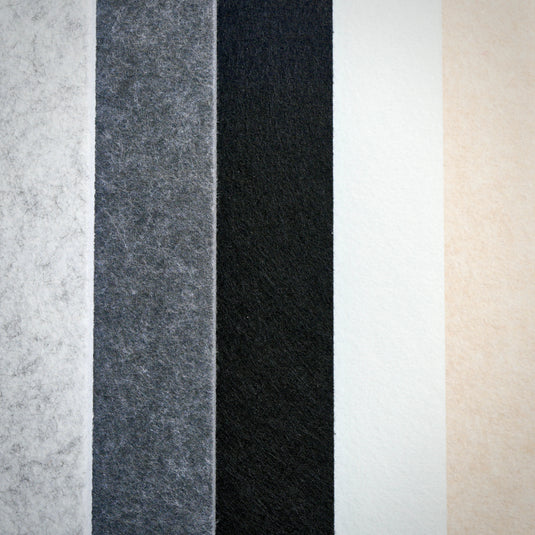
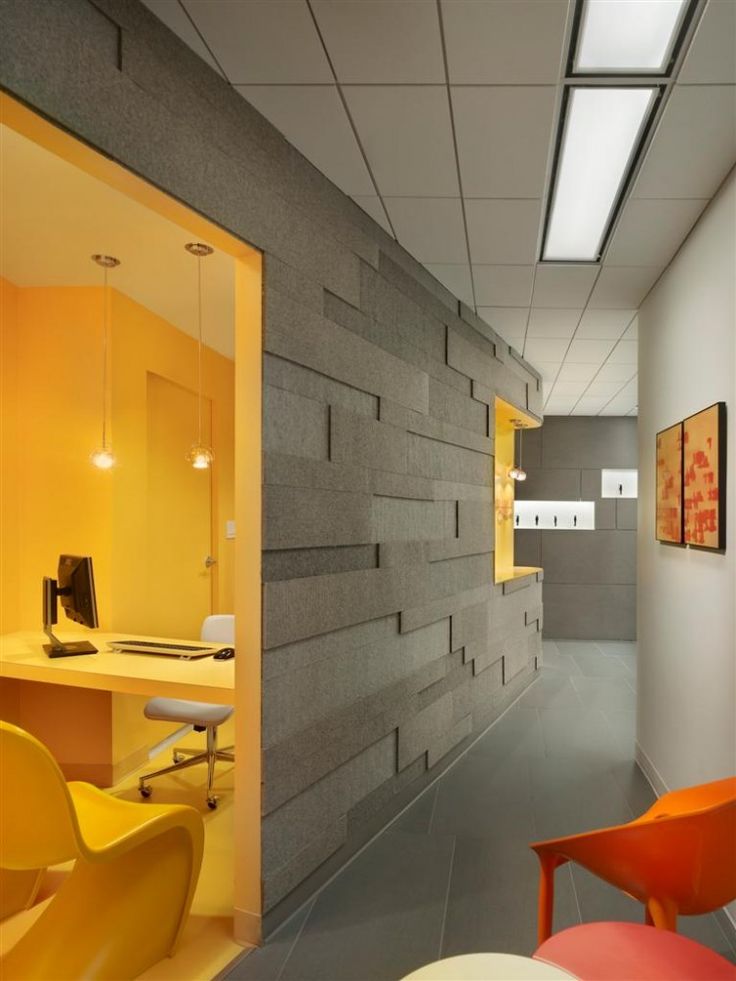
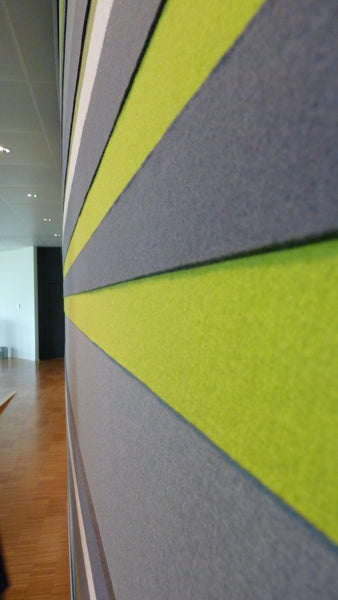
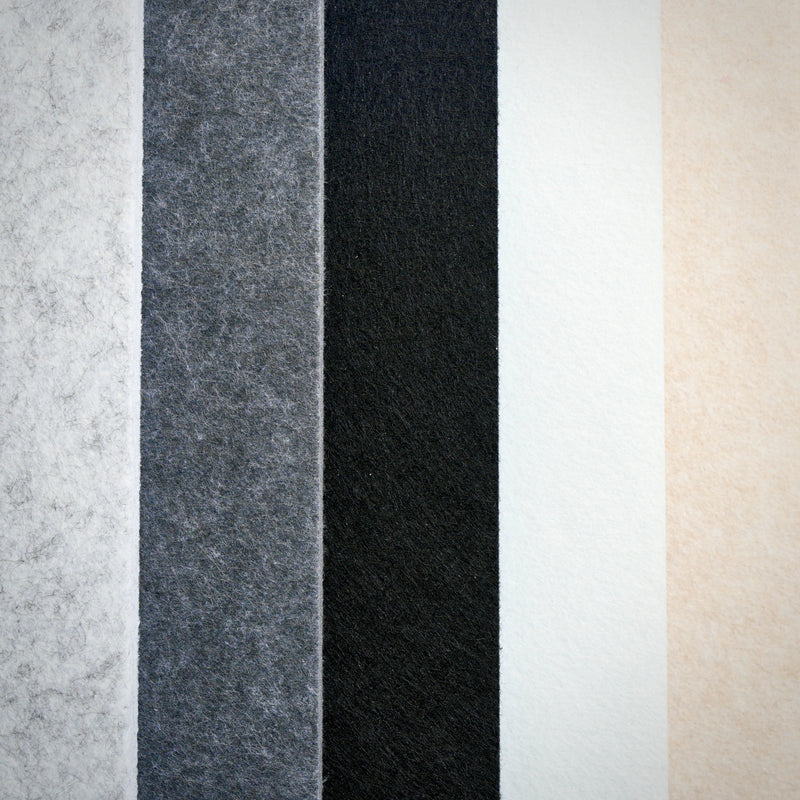
Recycled PET felt acoustic panels that reduce echo on walls and ceilings in offices, classrooms, healthcare spaces and restaurants, with no fiberglass. They drop into standard T-bar grids with no extra hardware or mount on walls with Z-clips, Command Strips or hidden fasteners, and the PET felt is rated NRC 0.88 and Class A (ASTM E84, flame spread 5, smoke developed 250). All of our PET felt products are 9mm thick (about 3/8 inch). Choose 12" x 12" tiles (16 per carton), 24" x 24" (12 per carton), 24" x 48" or 48" x 48" (6 per carton), or a 48" x 96" sheet, in White, Black, Beige, Light Gray, Dark Gray or special-order Navy, each cut to size and finished to order in the USA.
Wall AND ceiling - one product, two install paths
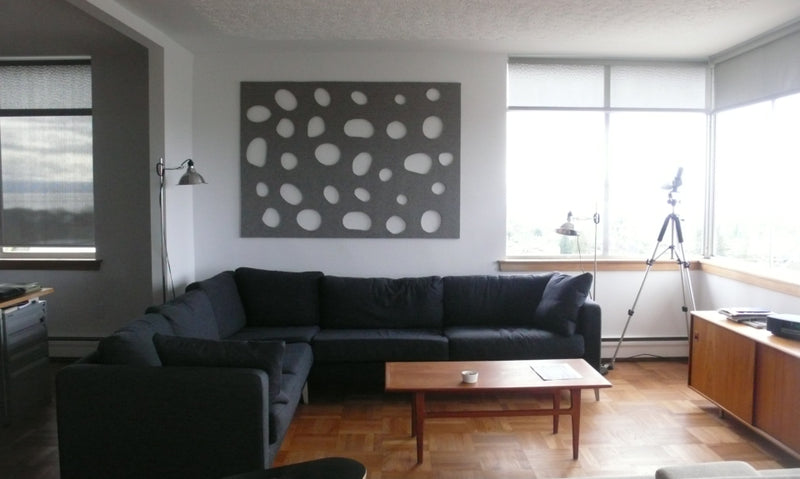
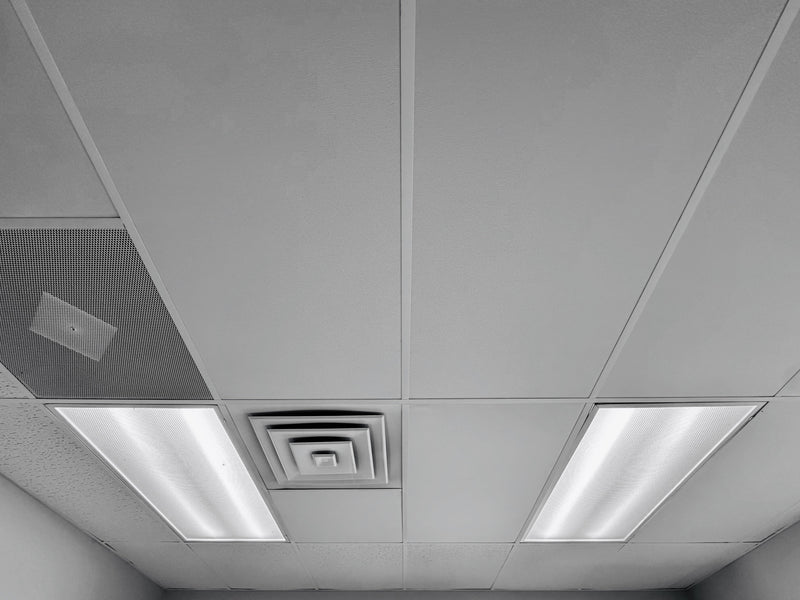
PET felt panels are equally at home on walls and ceilings. Drop-in for T-bar grid ceilings (no extra hardware). Direct mount on walls with Z-clips, Command Strips, or hidden fasteners. Same product. Same NRC 0.88 absorption. Same finish.
Premium PET Felt Acoustic Wall & Ceiling Panels - Sustainable & Modern
Eco-friendly PET felt acoustical ceiling tiles made from recycled plastic bottles - a sustainable alternative to traditional fiberglass ceiling tiles with excellent sound absorption and stunning modern aesthetics. These lightweight, durable tiles drop into standard ceiling grids and are available in contemporary colors and patterns. Perfect for green building projects, modern offices, and design-conscious commercial spaces that want effective acoustic treatment with environmental responsibility.
Technical Specifications
-
Material: PET felt - made from recycled plastic bottles (post-consumer recycled content)
-
Thickness: All of our PET felt products are 9mm thick (about 3/8 inch).
-
Sound Absorption: Excellent mid-to-high frequency absorption (NRC 0.88)
-
Standard Sizes: Compatible with 2'x2' and 2'x4' T-bar ceiling grids
-
Weight: Ultra-lightweight - easier to handle than fiberglass tiles
-
Fire Rating: Class A fire-rated for commercial applications
-
Sustainability: Made from recycled PET bottles - eco-friendly, LEED contributing
-
Hypoallergenic: No fiberglass fibers - won't irritate skin or respiratory system
-
Colors: Available in contemporary colors and textures
-
Cut & Printed in the USA: Every panel is custom cut to size and printed to order in our US workshop
Perfect For
-
Green Building Projects - LEED-contributing sustainable material
-
Modern Offices - Contemporary aesthetic with acoustic performance
-
Schools - Hypoallergenic, no fiberglass fibers for sensitive environments
-
Healthcare Facilities - Clean, hygienic, fiber-free acoustic treatment
-
Retail Spaces - Design-forward ceiling treatment
-
Co-Working Spaces - Modern, sustainable, noise-controlling
-
Restaurants - Attractive acoustic solution for dining spaces
Why PET Felt?
Sustainability: Each tile diverts plastic bottles from landfills. For environmentally conscious projects, PET felt demonstrates tangible commitment to sustainability. Contributes to LEED certification points for green building standards.
No Fiberglass: Traditional acoustic ceiling tiles contain fiberglass fibers that can irritate skin, eyes, and lungs during installation and when disturbed. PET felt is completely fiber-free - safe to handle without gloves, won't shed particles, and doesn't require respiratory protection during installation. Ideal for schools, healthcare, and spaces with sensitive occupants.
Modern Aesthetics: PET felt has a distinctive contemporary look - clean, uniform texture with a soft visual quality that standard mineral fiber tiles can't match. Available in colors beyond the typical "white ceiling tile" for design-forward spaces.
Durability: PET felt won't sag, stain, or deteriorate like traditional ceiling tiles. Moisture-resistant, washable, and dimensionally stable over decades. The tiles maintain their shape and appearance far longer than conventional alternatives.
Installation
Drop directly into standard T-bar ceiling grid systems. Ultra-lightweight panels are easy to handle and position. No special tools or protective equipment needed (unlike fiberglass tiles). One person can install these faster than traditional ceiling tiles.
Environmental Impact
Each tile is manufactured from post-consumer recycled PET bottles. The production process uses less energy than fiberglass manufacturing and produces no harmful byproducts. At end of life, tiles are recyclable. From recycled bottle to acoustic tile and back again - a true circular economy product.
Sustainable acoustic ceiling tiles. Recycled material. Modern design. Professional performance.
Lead Time
PET felt panels are cut and finished to order. Lead times vary with current production volume and the sizes you select. For project deadlines or large quantities, call (888) 923-5777 to confirm current lead times before ordering.
Common questions about this product
Top questions our customers ask about this panel. See all 229 FAQs or call (888) 923-5777.
What's the difference between 1", 2", and 4" acoustic panels?
Performance Data:
-
1" panels: NRC 0.80 (Intertek tested per ASTM C423) - strong absorption from mid to high frequencies
-
2" panels: NRC 1.0 (6 lb density core) - maximum broadband absorption, our most popular option
-
4" panels: Broadband absorption with the deepest low-frequency reach, no single NRC number published - call 888-923-5777 for the spec sheet on your configuration
Note: Actual performance depends on mounting method, room conditions, and fabric selection.
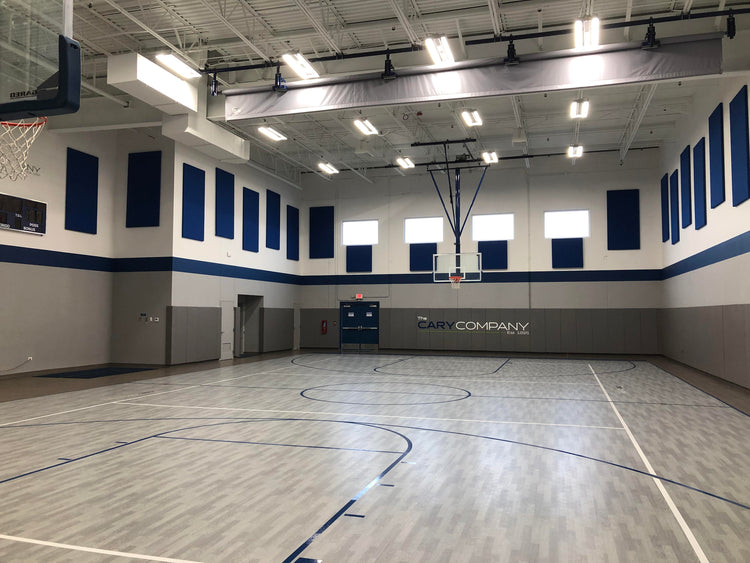
Most customers choose 2-inch acoustic panels because they handle complete speech clarity and most music for just $5 more than 1-inch. Studios needing deep bass control use 4-inch panels or corner bass traps. For gyms, churches, and restaurants, 2-inch panels typically provide all the absorption needed.
Shop acoustic panels by thickness:
Call (888) 923-5777 to determine ideal thickness for your space.
Room-Specific Treatment Recommendations
Room-Specific Recommendations
Home Studio / Recording Room
1. 2" panels on first reflection points (side walls at mix position)
2. 2" panel on front wall behind monitors
3. 2" panel on back wall behind mix position
4. Bass traps in all 4 corners
5. Optional: ceiling cloud above mix position
Typical 12×14: 8–12 panels + 4 bass traps
Home Theater
1. 2" panels on side walls
2. 2" panel on back wall
3. Bass traps in corners (especially with subwoofer)
4. Do NOT cover front wall (screen/speakers must stay clear)
5. Optional: ceiling cloud for surround improvement
Restaurant / Bar
-
Ceiling-mounted acoustic clouds are the primary solution (wall space taken by booths/décor)
- 2" panels recommended
- Custom print to match aesthetic
- Always refer to free room analysis , every restaurant is different
Garage / Workshop Studio
- Concrete + metal = near-zero natural absorption
- Need 30–40% wall coverage minimum
- 2" panels on all available wall surfaces
- Bass traps in all 4 corners
- Ceiling panels if structure allows
Church / Worship Space
- High ceilings + hard surfaces = long reverb (often 2+ seconds)
- Start: 2" panels on back wall and side walls
- Add ceiling clouds over congregation or stage
- Always use free room analysis , every sanctuary is unique
Classroom / School
- Back wall and selected side walls
- Improves speech clarity and reduces teacher fatigue
- Custom colors to match school aesthetic
Office / Conference Room
- Back wall behind screen, side walls
- 1" acceptable for mild echo; 2" for heavy reverb
- Custom printed panels popular for branded conference rooms
How do I set up an isolation booth for recording?
An isolation booth is a small, heavily-treated enclosure that minimizes both reflection (so vocals/instruments record dry) and external noise. ASP build-out: 4 to 6 of our 2-inch panels covering all four walls plus ceiling, two corner bass traps, and a foam-sealed door. For permanent booths, our 4x4 Mic Booth Bass Trap Combo ships as a complete kit. For larger custom booths or sound-isolated rooms, call (888) 923-5777 with your dimensions.
Are your acoustic panels environmentally friendly?
Yes. Our standard fiberglass core uses Knauf ECOSE - a bio-based, formaldehyde-free binder. Our PET felt panels are made from recycled plastic bottles. Our standard fabric (Burch Prime Time) is made in the USA, reducing transit footprint vs imported alternatives. For LEED-targeted projects or specific sustainability documentation, call (888) 923-5777 and we will pull the relevant material certifications.
What is the difference between mineral wool and fiberglass for acoustic absorption?
Both work well as acoustic cores. Mineral wool (rockwool) is denser, slightly better at low-frequency absorption, and more fire resistant; fiberglass is lighter, easier to handle, and typically less expensive. Our standard build uses Knauf ECOSE fiberglass because it hits NRC 1.0 in our 2-inch construction at lower weight - critical for ceiling installs and large-format panels. For specific projects requiring mineral wool cores (specialty fire-rating, density-specific bass control), call (888) 923-5777 and we will scope a custom build.
Are your acoustic panels antimicrobial?
Antimicrobial additives target bacteria and fungi for anti-odor and anti-mildew - they are not anti-viral and do not reduce human infection. The more effective approach for sanitization is materials that stand up to regular cleaning and disinfection, which our Burch Prime Time fabric does (Cleaning Code W-S). For specific antimicrobial-treated fabric requirements, call (888) 923-5777.
What is the difference between Burlap and Microsuede fabric?
Burlap has a textured, woven, casual look - good for warehouses, restaurants, lofts, industrial-modern spaces. Microsuede is soft, smooth, more formal - good for offices, conference rooms, home theaters, recording studios. Both are acoustically transparent. Microsuede and burlap are not fire rated. Both come in our standard color range. Order a swatch sample to feel the difference in person.
What is the difference between corner bass traps and 4-inch panels?
Bass traps are specifically designed to absorb low-frequency sound waves (boomy bass, kick drum buildup, room resonance). 4-inch panels absorb mid to high frequencies plus some low-frequency content thanks to their depth. Most studios and home theaters use a mix: 4-inch panels at first reflection points and corner bass traps in all four corners.