Homasote Sound Barrier Panels - DesignWall 440 Tackable Sound Barrier
A fabric-wrapped Homasote 440 board that adds mass to a wall and gives you a full bulletin board surface. Its job is blocking sound between rooms, not absorbing echo inside a room. In Homasote's tested steel stud wall assembly (studs 24 inches on center, 3 inch sound batts, 5/8 inch gypsum both sides) it reaches STC 51 with panels on one side, and STC 53 with panels on both sides of that same stud wall assembly. Every performance number on this page is quoted from Homasote's own documentation, and those documents are linked below so you can check them.
Buying this for echo control would be a mistake. Its NRC is 0.20, so most sound hitting the face reflects back into the room. If your room sounds harsh or echoey, you want 2 inch absorption panels instead. The two products solve opposite problems and many projects use both.
Architect & Spec Resources (PDF)
For commercial spec-and-bid projects:
Technical Specifications
Each figure below names the Homasote document it comes from. All four documents are linked above.
-
STC, tested assembly: 51 with panels on one side, 53 with panels on both sides. Assembly: steel studs 24" on center, 3" sound batts, 5/8" gypsum wallboard both sides. Source: Homasote DesignWall 440 Info Sheet, "Sound Control".
-
STC, other Homasote assemblies: 53 staggered wood stud, 60 double wood stud, 54 at 16" on center and 55 at 24" on center in the UL U465 decoupled assembly. Sources: Homasote 440 SoundBarrier Brochure, and Installation Instructions sections W1-B and W1-C.
-
NRC (in-room absorption): 0.20. Sources: Homasote 440 SoundBarrier 3-Part Architect Specifications section 2.2, and homasote.com. This is a barrier, not an absorber. Homasote publishes this figure without naming a mounting type, so treat it as indicative rather than as a mounted ASTM C423 result.
-
Fire rating, core: Class C, also written Class III. ASTM E84 flame-spread index not greater than 200, smoke-developed index not greater than 450. Sources: 3-Part Architect Specifications section 2.2, and ICC-ES ESR-1374 section 3.1. Homasote builds a higher fire-rated version on a different substrate, the DesignWall 550. ASP stocks the 440.
-
Fire rating, fabric: Burch publishes an ASTM E-84 surface-burning rating of Class A for Prime Time style 2335, the fabric we wrap in. A fabric rating does not carry over to the core underneath, and the core here is Class C, so the finished assembly should not be represented at the fabric's rating. Where a project specifies a fire class for the wall finish, call (888) 923-5777 before ordering and we will confirm what actually meets it.
-
Core material: Homasote 440, roughly 98% recycled paper fiber, 2% paraffin wax, under 0.1% copper metaborate. No asbestos, formaldehyde or urea additives. Source: ICC-ES ESR-1374 section 3.0.
-
Density: 26 to 28 lb per cubic foot. Source: 3-Part Architect Specifications section 2.2.
-
Thickness: 1/2 inch.
-
Panel size: 4' x 8' (48" x 96") standard, custom cutting available. Homasote also produces the 1/2 inch board in 4' x 4' and 4' x 10'. Actual length and width run 1/8" under nominal.
-
Weight: 1.2 lb per square foot, about 38 lb for a 4x8 sheet before fabric. Sources: DesignWall 440 Info Sheet, and the 440 SoundBarrier specification table in the Installation Instructions.
-
R-value: 1.2 at 1/2 inch. Source: 3-Part Architect Specifications section 2.2.
-
Tackable surface: the fabric face takes push pins and hides the holes. Full bulletin board function.
-
Made in USA: Homasote has manufactured in West Trenton, New Jersey since 1909. We fabric-wrap each panel in our workshop.
On STC: sound transmission class describes a complete wall, floor or ceiling assembly tested to ASTM E90 and rated per ASTM E413. It is never a property of a loose panel. Change the studs, the cavity insulation or the gypsum and the rating changes. The assemblies above are Homasote's published tests. For a number tied to your exact wall, tell us the construction and we will point you to the matching Homasote assembly.
Perfect For
-
Shared Walls - Bedrooms, apartments, condos, townhouses sharing walls with neighbors
-
Home Theaters - Keep movie sound from carrying into the rest of the house. Pair with absorption panels for the room's own acoustics
-
Music Practice Rooms - Keep instrument practice from traveling to adjacent spaces
-
Recording Studios - Add mass to the wall for isolation from outside noise. Room treatment is a separate job for absorption panels
-
Home Offices - Privacy for confidential calls without disturbing household
-
Bedrooms - Peace and quiet from noisy households or exterior noise
-
Multi-Family Buildings - Dramatically reduce neighbor noise transmission
-
Commercial Spaces - Conference rooms, therapy offices, medical offices requiring privacy
Sound Absorption vs Soundproofing: The Critical Difference
Sound Absorption (What Most Acoustic Panels Do): Standard acoustic panels like our fiberglass panels absorb sound energy WITHIN a room. They reduce echo and reverberation, making the room sound better inside. However, they do almost nothing to prevent sound from traveling THROUGH walls to adjacent rooms. Soft, fluffy materials absorb sound but don't block transmission.
Soundproofing/Sound Blocking (What Homasote Does): Soundproofing prevents sound from traveling through walls, floors, and ceilings to other spaces. This requires MASS and DENSITY - heavy, dense materials that physically block sound vibrations. Homasote's dense recycled paper fiber construction provides this mass.
Where this panel sits: it is on the blocking side, not the absorbing side. It adds mass to a wall, and in the tested assemblies above that produces real transmission loss. Its NRC of 0.20 means roughly 80% of the sound energy hitting the face comes back into the room, so it will not fix echo, reverb or a room that sounds harsh.
Why no single board does both: blocking needs dense mass. Absorbing needs soft, open, porous depth. Those are opposite material properties, which is why a 1/2 inch dense board cannot deliver a high STC and a high NRC at the same time. Any product page claiming both from one thin board is describing something the physics does not allow.
If you need both in one room, use both products. This panel on the shared wall for blocking, and 2 inch absorption panels on the remaining surfaces for echo. Tell us the room and we will lay out the split. Call (888) 923-5777.
What is Homasote?
American Manufacturing Heritage: Homasote has been manufactured in New Jersey since 1909. It's made from 100% recycled newspaper compressed into dense, rigid panels. Originally developed as an insulation and sound-deadening product, it became the acoustician's secret weapon for soundproofing applications.
Dense But Workable: Unlike concrete or mass-loaded vinyl, Homasote is workable with standard woodworking tools. You can cut it, screw into it, and nail through it. But it's dramatically denser than drywall or wood - this density blocks sound transmission while remaining manageable for DIY installation.
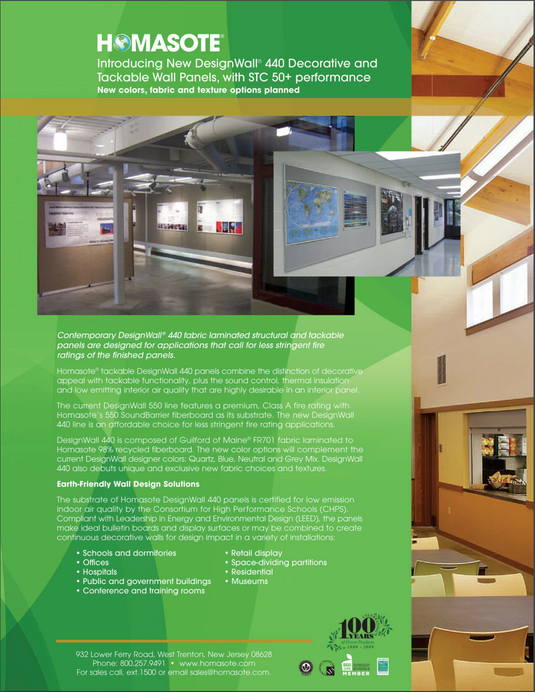
DesignWall 440 - The Premium Version: Standard Homasote has a rough, textured surface. DesignWall 440 is the premium architectural version with a smooth, uniform surface suitable for fabric wrapping and decorative finishes. It's the version specified by architects and acoustic consultants for high-end applications.
Reading an STC Number
STC (Sound Transmission Class) rates how much airborne sound a complete wall, floor or ceiling assembly stops. It is measured on the whole assembly under ASTM E90 and rated per ASTM E413. Higher is better. The general guide below is industry convention for interpreting a rating, not a test result for this product.
-
25 to 30: normal interior wall, loud speech easily understood through it
-
35 to 40: loud speech audible but not intelligible
-
45 to 50: normal speech not audible, loud sounds somewhat audible
-
50 to 55: loud sound and music faint
-
55 and above: only very loud sound barely perceptible
Where this product lands: Homasote's published stud wall assembly tests run from STC 51 in the single-sided steel stud wall assembly up to STC 60 in a double wood stud wall. Those figures belong to the assemblies listed in the specifications above, not to the panel on its own. Building code sets the bar at STC 50 between dwelling units, measured on the finished wall assembly, which is why these wood stud and steel stud build-ups get specified in multi-family work.
Real-World Applications
The Noisy Neighbor Solution: If you share a wall with a noisy neighbor, standard acoustic panels won't help - they absorb sound within YOUR room but do nothing about sound coming THROUGH the wall. Homasote panels installed on your side of the shared wall add the mass needed to block neighbor noise. Many customers report dramatic improvements in sleep quality and stress levels after treating shared bedroom walls.
The Home Theater Problem: You want to enjoy movies at proper volume without disturbing family members or neighbors. Standard acoustic panels treat the room but don't prevent sound escape. Homasote panels on the walls (especially shared walls) block sound transmission while simultaneously improving the theater's internal acoustics. Watch explosions and action sequences without guilt or complaints.
The Musician's Dilemma: Practice rooms need acoustic treatment for proper sound, but also need soundproofing to prevent disturbing others. Homasote panels solve both problems - the mass blocks transmission to adjacent rooms, while the fabric-wrapped absorptive surface controls the room's internal acoustics. Practice when you want, not just when nobody's home.
Installation Methods
Decoupled assembly (Homasote's highest published ratings): the board goes into the wall build-up with the finish gypsum decoupled from the studs, per UL U465 and U305. This is the approach behind the STC 54, 55 and 60 figures above. It is new construction or a full wall rebuild, not a surface-mount job. Follow the Homasote Installation Instructions linked above, sections W1-A through W1-D.
Surface mounting to a finished wall: fabric-wrapped panels go onto the existing wall with construction adhesive or mechanical fixings, per Installation Instructions section W2-C. This adds mass to what is already there. Homasote does not publish an STC figure for surface-mounted panels over an existing wall, so we do not quote one. It will help, and how much depends entirely on your existing wall.
Framing limits: framing for the 1/2 inch board must not exceed 16" on center, panels install vertically, with a 1/8" gap between sheets and 1/4" at floor, ceiling and openings. Source: Homasote Installation Instructions, "Applications as a Wall Panel".
Why Fabric Wrap?
Finish: bare Homasote is an industrial grey board with a visible texture. Wrapping gives it a uniform architectural face suitable for a finished room. It does not change the board's NRC in any way we can document, so we make no absorption claim for the wrap.
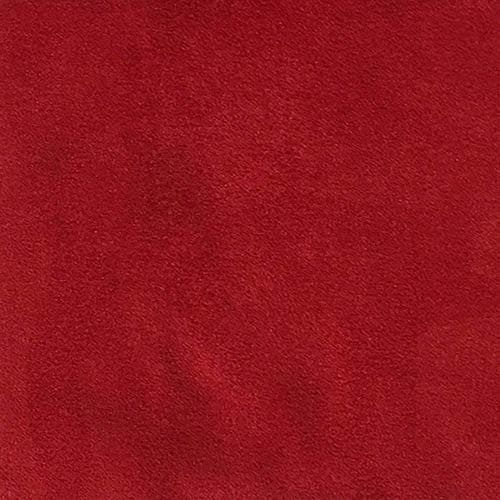
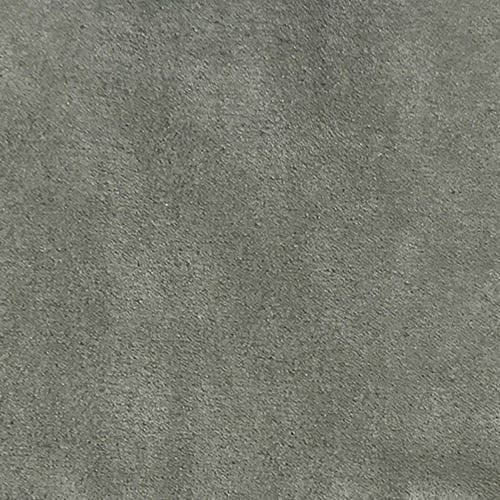
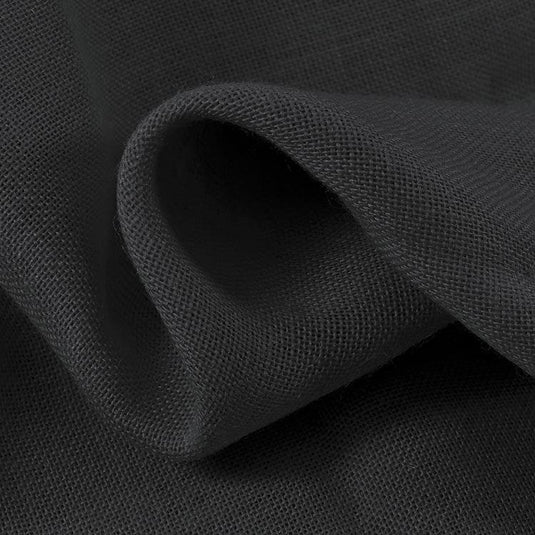
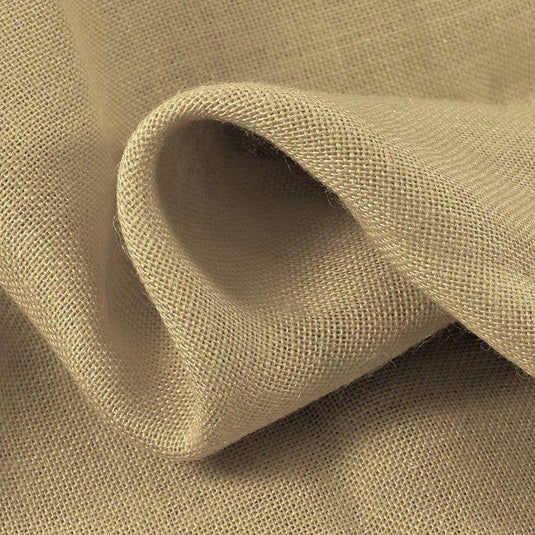
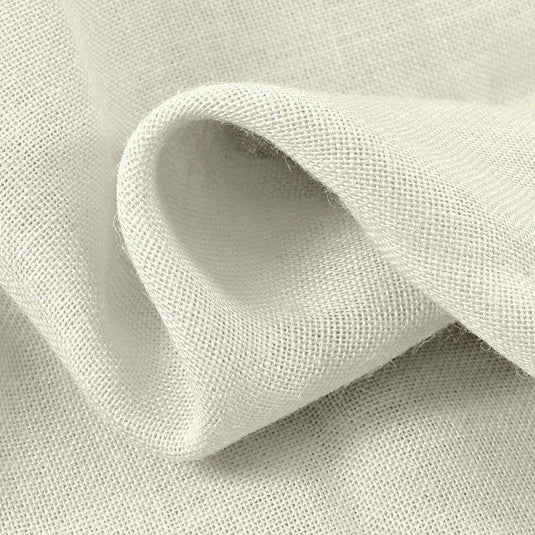
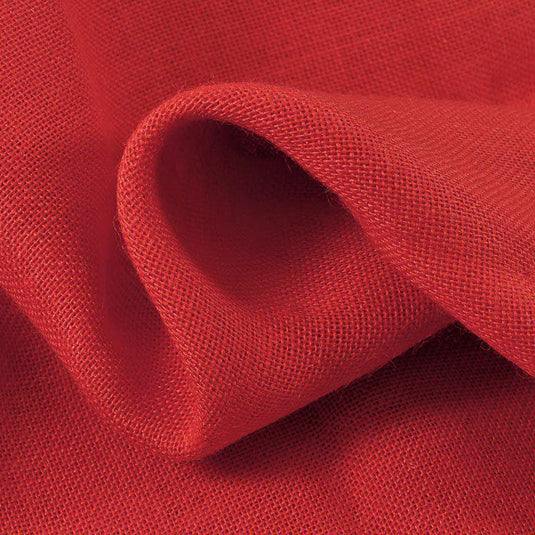
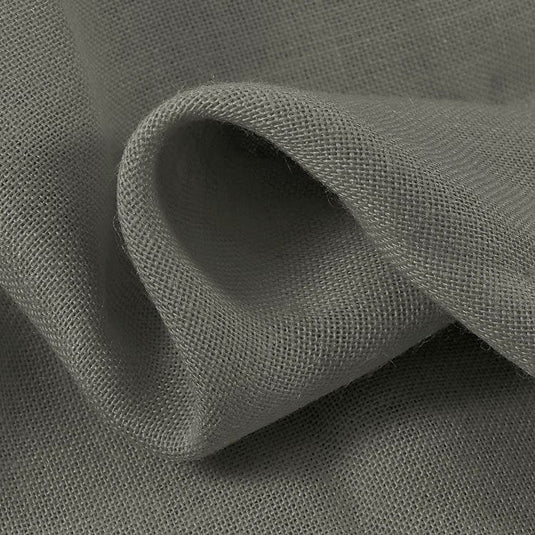
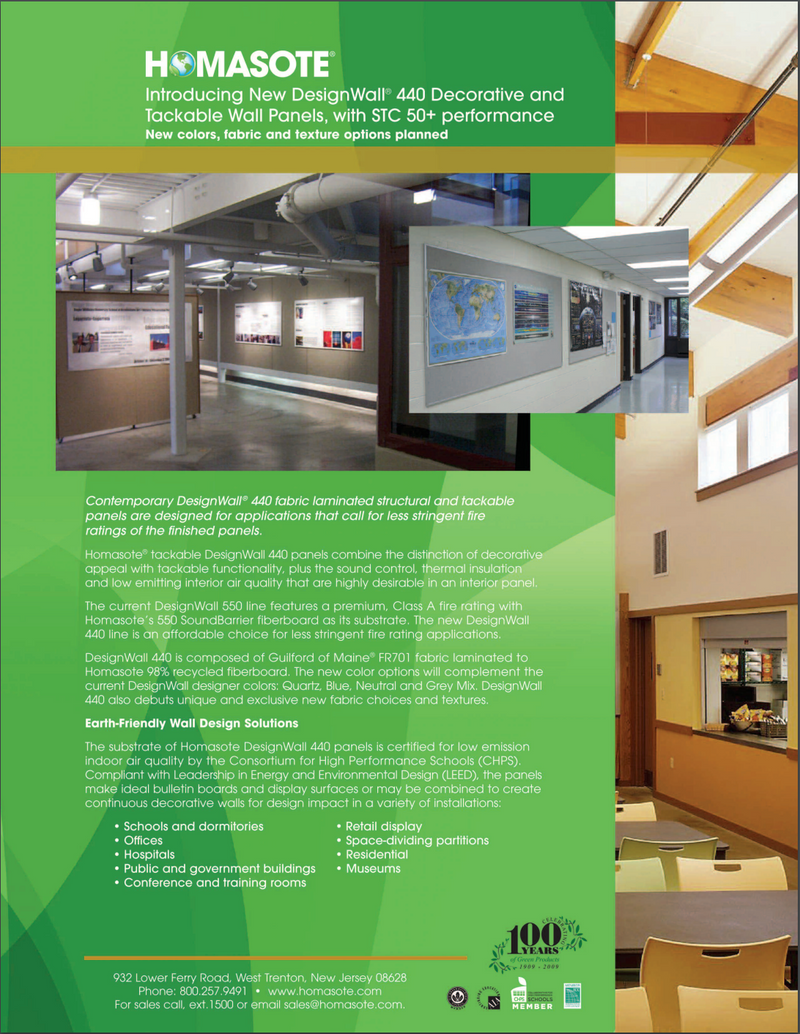
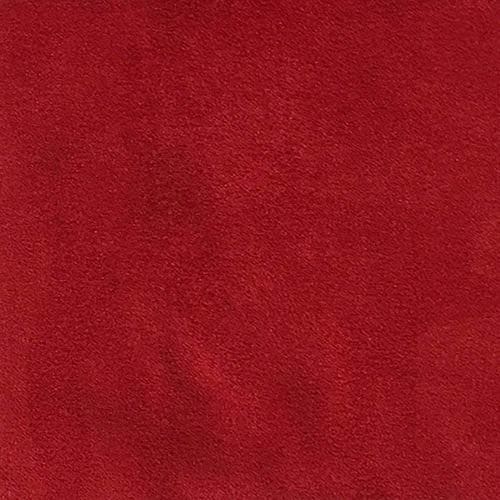
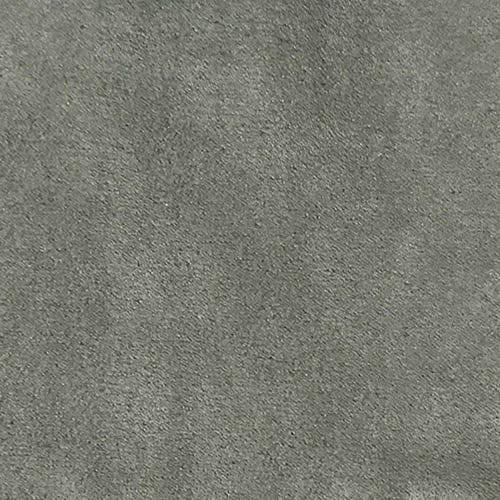
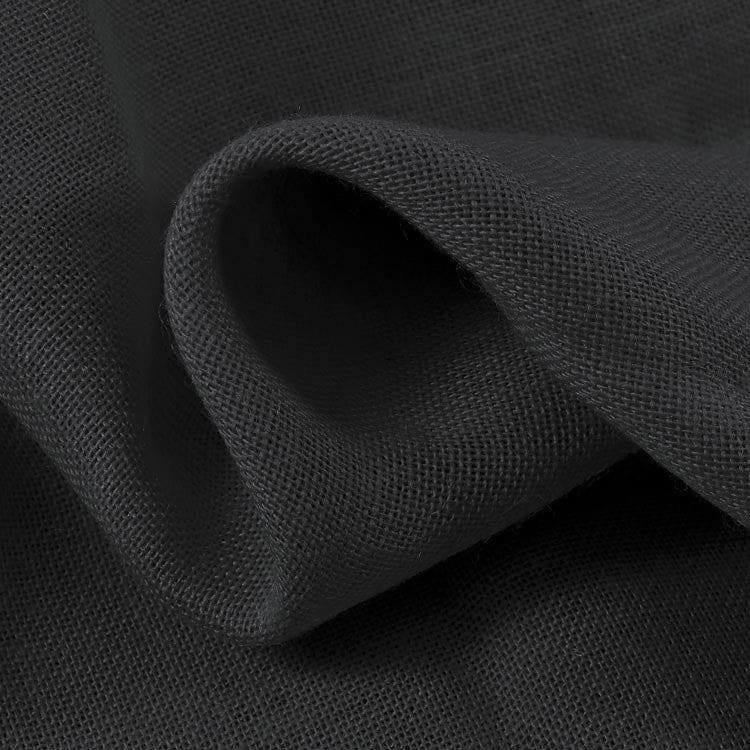
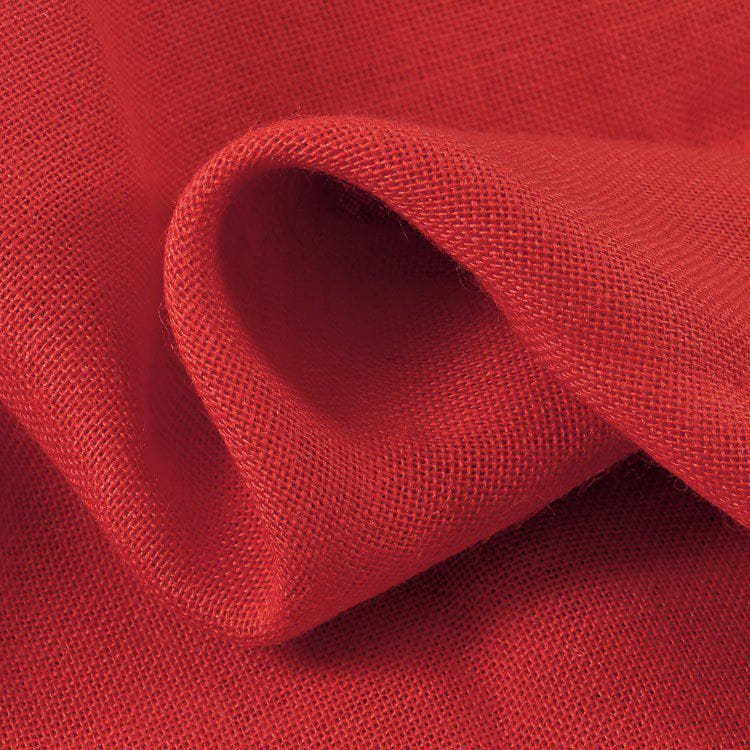
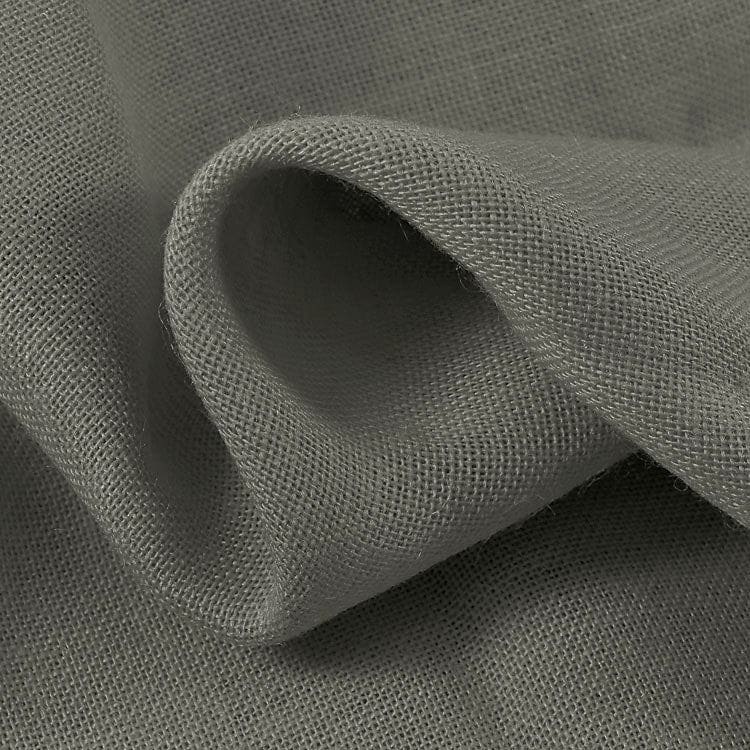
Appearance: Fabric wrapping transforms industrial Homasote into attractive architectural panels. Choose a fabric and color from the options on this page to match your decor.
Durability: Fabric protects the Homasote surface from damage and creates a cleanable, professional finish.
Tackable: The fabric surface accepts push pins, making panels function as combination acoustic treatment and bulletin boards - great for offices, studios, and music rooms.
Homasote vs Other Soundproofing Methods
-
vs Mass Loaded Vinyl (MLV): MLV is heavy, effective and awkward to work with. Homasote is easier to handle, cuts with normal woodworking tools, and gives you a tackable finished face. Neither one absorbs echo.
-
vs Additional Drywall: Adding drywall layers helps but creates a dusty construction project. Homasote provides better performance per inch of thickness and is cleaner to install.
-
vs Fiberglass Panels: fabric-wrapped fiberglass panels absorb echo inside a room and do essentially nothing for transmission through a wall. This board is the opposite. They are complementary products, not competitors.
-
vs Acoustic Foam: foam absorbs some high frequency and blocks nothing. We do not sell foam. This board blocks and does not absorb.
Custom Sizing & Ordering
Standard 4' x 8' panels are most economical and can be cut on-site. We can also custom-cut panels to your specifications for simpler installation. Each panel is fabric-wrapped with your choice of over 60 fabric colors and textures. Finished edges ensure professional appearance.
Environmental Benefits
The board is roughly 98% recycled paper fiber, with no asbestos, formaldehyde or urea additives, per ICC-ES ESR-1374 section 3.0. Homasote lists the substrate as CHPS-certified for low-emission indoor air quality and LEED-compliant in its DesignWall 440 documentation.
Made in USA
Homasote has manufactured in West Trenton, New Jersey since 1909. We fabric-wrap each panel in our workshop using Burch Fabrics Prime Time, made in the USA and the equivalent of Guilford of Maine (a Canadian company) Anchorage and FR701.
Blocks sound between rooms. Tackable bulletin board face. Recycled content. Made in USA.
Common questions about this product
Top questions our customers ask about this panel. See all 229 FAQs or call (888) 923-5777.
How do I install acoustic panels on drywall?
Installing acoustic panels on drywall is simple with our included Z-clips. Every acoustic panel order includes Z-clips at no extra charge. When you can't hit a stud, use heavy-duty drywall anchors like E-Z Ancor Stud Solver (50 lb rating) for secure mounting.
Drywall installation for acoustic panels:
- Z-clips into studs: Best option (hardware included)
- Z-clips with drywall anchors: When studs aren't accessible
- Heavy-duty anchors: E-Z Ancor or similar 50+ lb rated
- Toggle bolts: Alternative for hollow walls
Installation tips for acoustic panels:
- Use stud finder when possible
- Level for professional alignment
- Space panels 2-6 inches apart
- Test anchor weight rating
Perfect for drywall acoustic treatment in:
- Recording studios and home theaters
- Restaurant dining areas
- Church fellowship halls
- Indoor pickle ball courts
Our 2-inch acoustic panels include all mounting hardware: https://acousticsoundpanels.com/collections/acoustic-sound-panels/products/custom-built-acoustic-sound-panels-2-inch. Lightweight PET felt options also available: https://acousticsoundpanels.com/products/felt-acoustic-ceiling-tiles-acoustical-ceiling-tiles-acoustic-ceiling-panels
Call (888) 923-5777 for installation support.
Can I install acoustic panels on concrete walls?
Yes, concrete walls require masonry anchors for acoustic panel installation. Use a hammer drill with masonry bits to create pilot holes, then install concrete anchors to secure the Z-clips that come free with your acoustic panels.
Concrete wall installation for acoustic panels:
- Tapcon screws with Z-clips (recommended)
- Toggle-style masonry anchors
- Construction adhesive (permanent option)
- Furring strips for multiple panels
Tools needed for acoustic panels on concrete:
- Hammer drill
- Masonry bits
- Level
- Safety glasses
Common concrete wall applications:
- Basement recording studios
- Gymnasium acoustic panels
- Church basement fellowship halls
- Restaurant brick walls
- Pickle ball court cinder blocks
Our 2-inch acoustic panels (NRC 1.0) transform hard concrete surfaces: https://acousticsoundpanels.com/collections/acoustic-sound-panels/products/custom-built-acoustic-sound-panels-2-inch. For industrial spaces, consider durable PET felt: https://acousticsoundpanels.com/products/felt-acoustic-ceiling-tiles-acoustical-ceiling-tiles-acoustic-ceiling-panels
Call (888) 923-5777 for masonry installation tips.
What's the STC rating of your acoustic panels?
Standard acoustic panels don't have STC ratings - they're designed for sound absorption (NRC), not soundproofing (STC). For blocking sound between rooms we offer the Homasote DesignWall 440 barrier panel, which Homasote tests at STC 51 to 53 in a steel-stud assembly.
Understanding the difference:
- Regular acoustic panels: Reduce echo WITHIN rooms (NRC rated)
- Homasote DesignWall 440: blocks sound BETWEEN rooms as part of a rated wall assembly (NRC 0.20, so it does not absorb echo)
- Most panels: Absorption only, not soundproofing
Our Homasote DesignWall 440 barrier panel is the blocking product: it reaches STC 51 to 53 in Homasote's tested steel-stud assembly, and adds a tackable, fabric-finished face. It has an NRC of 0.20, so it is not an echo-control product: https://acousticsoundpanels.com/products/custom-built-homasote-acoustic-sound-barrier-panels-designwall-550-440-decorative-and-tackable-wall-panels-stc-50
Perfect for:
- Offices needing privacy between rooms
- Apartments with noisy neighbors
- Churches requiring quiet prayer rooms
- Recording studios needing isolation
For echo control only, our standard 2-inch panels (NRC 1.0): https://acousticsoundpanels.com/collections/acoustic-sound-panels/products/custom-built-acoustic-sound-panels-2-inch
Call (888) 923-5777 to determine if you need absorption (standard panels) or soundproofing (Homasote).
Should I put acoustic panels on opposite walls?
Yes, treating opposite walls with acoustic panels prevents standing waves and flutter echo - that rapid "boing-boing" sound between parallel surfaces. Stagger panels rather than placing them directly across from each other to avoid creating new reflection patterns.
Parallel wall treatment strategies for acoustic panels:
- Offset placement: Don't mirror panel positions
- Alternate heights: Vary vertical positioning
- Mix panel sizes: Breaks up reflection patterns
- 70/30 rule: More panels on one wall than the other
Critical parallel wall applications:
- Recording studios: Side walls must be treated
- Pickle ball courts: Long parallel walls create major echo
- Restaurants: Parallel walls amplify conversation noise
- Churches: Side walls cause intelligibility issues
Without treating opposite walls, sound ping-pongs back and forth, creating muddy acoustics. Even treating just one parallel wall helps, but both is ideal for professional results.
Our 2-inch panels (NRC 1.0) excel at parallel wall treatment: https://acousticsoundpanels.com/collections/acoustic-sound-panels/products/custom-built-acoustic-sound-panels-2-inch. Mix with custom sizes for staggered patterns: https://acousticsoundpanels.com/products/custom-built-acoustic-sound-panels-2-inch
Call (888) 923-5777 for parallel wall treatment strategies.
Do acoustic panels soundproof a room?
Quick answer
No. Acoustic panels absorb echo and reverberation inside a room. They don't block sound from getting in or out.
What panels actually fix
-
Echo and muddiness inside offices, classrooms, restaurants, studios
-
Speech clarity and lower overall noise levels in the space
-
Flutter echo and "ringy" rooms
When you need soundproofing instead
If you hear neighbors, traffic, bass bleed through walls/ceilings, or your conference room leaks conversation outside, that's transmission. Typical solutions involve added mass, damping between layers, airtight sealing, and decoupling.
Linked products for in-room echo control
What is NRC? Understanding Noise Reduction Coefficient
What is NRC?
NRC stands for Noise Reduction Coefficient. It measures how much sound a panel absorbs on a scale of 0 to 1.0.
-
NRC 0 = reflects all sound (like a bare concrete wall)
-
NRC 1.0 = absorbs essentially all sound that hits it (maximum absorption)
Our Ratings
-
2" panels: NRC 1.0, the highest possible rating
-
1" panels: NRC 0.80, excellent for high frequencies
-
4" bass trap panels: broadband absorption, no single NRC number published
Important: NRC ≠ Soundproofing
NRC measures absorption across frequencies and is an average of that amount. echo and reverb reduction inside a room. It does NOT mean soundproofing (blocking sound from leaving a room). Soundproofing requires mass and decoupling , a separate construction challenge.
When a customer says "I want to soundproof my room," clarify: our panels eliminate echo and reverb inside the room. If they need to block sound from leaving, that's a different (more complex) solution.
Why NRC 1.0 Matters
Many competitors sell panels rated NRC 0.5–0.85. Our 2" panels at NRC 1.0 absorb significantly more , especially in the lower midrange where most room problems live.