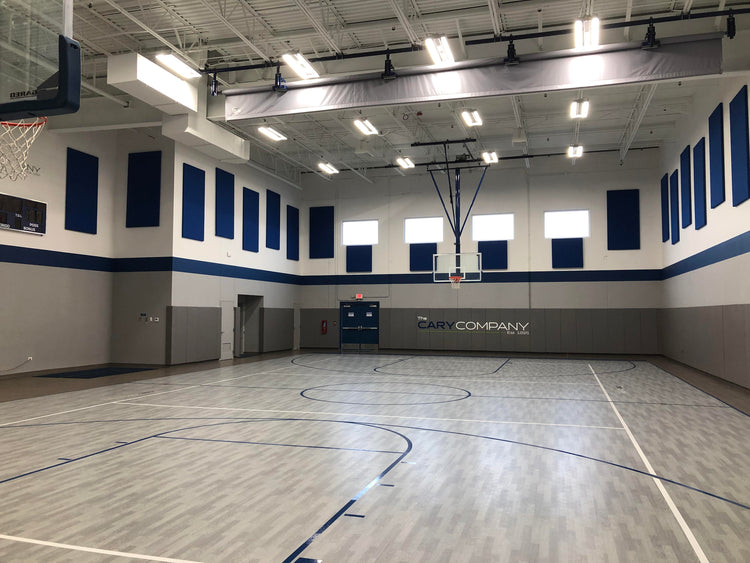

Where should I place the panels in the room?
A: The science behind this tells us that corners and the first points of reflections are where you get the most bang for your buck. An easy way to find the first point of reflection is to take a mirror and run it along the wall next to your monitor until you see the front of the speaker in the mirror… put a panel there and repeat on the opposite wall. You should also consider placing 2 bass traps on the ceiling over the listening position. The art behind it tells us after the corners and points of reflections are covered place the rest according to taste and where they look most aesthetically pleasing.
Where exactly should acoustic panels go in a room?
Start at the first reflection points, the spots on the side walls and ceiling where sound bounces once between the source and your ears, then treat the room's corners for bass buildup, and keep the left and right walls symmetric so a stereo image stays centered.
Symmetry matters more than raw quantity in a mix or listening room: matching treatment on the left and right walls keeps the stereo image centered, even if the room itself isn't perfectly symmetric. A ceiling cloud directly above the mix or seating position handles reflections from overhead, the surface people forget most often.
Watch for flutter echo too, the fast repeating echo caused by two hard, parallel walls facing each other. Treating at least one of the pair usually breaks it up. Behind the listening position, a diffuser keeps the room feeling open instead of dead.
How do I find my first reflection points?
Sit in the listening position and have someone slide a mirror along the side wall. Wherever you see the speaker or screen reflected is a first reflection point.
Should the ceiling be treated too?
Yes, especially directly above the mix or seating position (a ceiling cloud), for reflections coming from overhead.
What is flutter echo and how do I stop it?
A fast repeating echo caused by two hard, parallel walls facing each other. Treating at least one of the pair usually breaks it up.
Should the rear wall be fully covered?
Not always. Full absorption there can make a room feel dead; a diffuser keeps the room lively while still controlling reflections.
See the panel collection or the quadratic acoustic diffuser.